
혼다의 EV 철수와 현대차의 안전 조치: 전동화 전환기의 빛과 그림자
전동화 전환기를 맞은 자동차 산업에서 혼다의 EV 시장 철수와 현대차의 안전 조치는 서로 다른 전략으로 보이지만, 모두 불확실한 미래 속에서 지속 가능성을 모색하는 기업들의 고뇌를 보여줍니다.

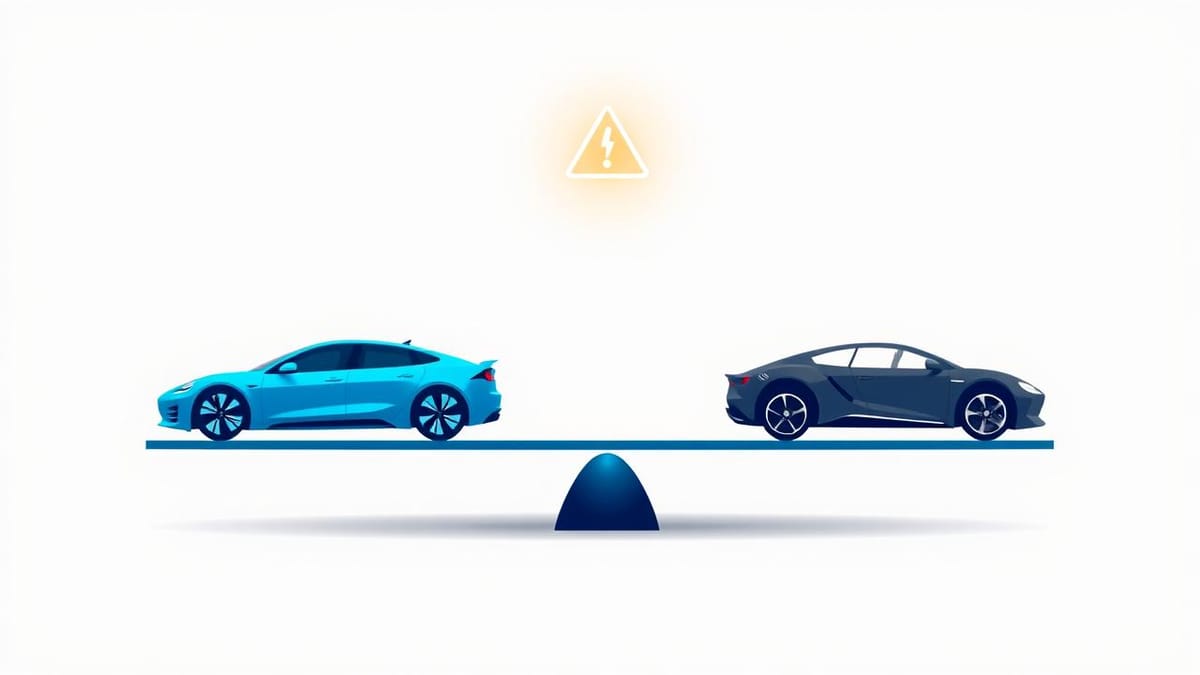
혼다의 EV 철수와 현대차의 안전 조치: 전동화 전환기의 빛과 그림자
Honda's EV Retreat and Hyundai's Safety Measures: The Light and Shadow of Electrification Transition
📌 오늘의 뉴스 / Today's News
혼다의 전기차 시장 철수 결정과 현대차의 배터리 관련 안전 조치는 전 세계적인 자동차 산업의 전동화 전환이 순탄치만은 않음을 보여줍니다. 이는 급변하는 기술과 시장 환경 속에서 기업들이 직면한 복잡한 도전 과제를 명확히 드러내고 있습니다.
💬 Honda's decision to withdraw from the EV market and Hyundai's battery-related safety measures highlight that the global automotive industry's electrification transition is not entirely smooth. This clearly reveals the complex challenges companies face in a rapidly changing technological and market environment.
🔗 원문 보기 / Read Original
👍 긍정적 시각 / Positive Perspective
혼다의 전기차 시장 철수 결정은 표면적으로는 후퇴처럼 보일 수 있지만, 장기적으로는 기업의 지속 가능한 성장을 위한 현명한 전략적 재편으로 해석될 수 있습니다. 과도한 경쟁과 불확실한 수익성 속에서 무리하게 뛰어들기보다는, 내연기관 분야의 강점을 유지하며 미래 기술 개발에 보다 신중하게 접근하는 것은 자원의 효율적 배분과 리스크 관리에 긍정적입니다.
💬 Honda's decision to withdraw from the EV market might appear as a retreat on the surface, but in the long term, it can be interpreted as a wise strategic restructuring for the company's sustainable growth. Rather than plunging recklessly into excessive competition and uncertain profitability, maintaining strengths in internal combustion engines and approaching future technology development more cautiously is positive for efficient resource allocation and risk management.
또한, 현대차의 배터리 안전 조치는 고객 안전을 최우선으로 하는 책임감 있는 기업의 모습을 보여줍니다. 이는 단기적인 비용 증가를 야기할 수 있으나, 장기적으로는 브랜드 신뢰도를 높이고 소비자들이 전기차 구매를 고려할 때 중요한 요소로 작용할 것입니다. 기술적 문제를 선제적으로 해결하려는 노력은 결국 시장에서의 경쟁 우위로 이어질 수 있습니다.
💬 Furthermore, Hyundai's battery safety measures demonstrate a responsible corporate image that prioritizes customer safety. While this may lead to short-term cost increases, in the long run, it will enhance brand trust and serve as a crucial factor for consumers considering EV purchases. Efforts to proactively address technical issues can ultimately lead to a competitive advantage in the market.
두 기업의 사례는 자동차 산업의 전동화 전환이 일방적인 흐름이 아니라, 각 기업의 강점과 시장 상황을 고려한 맞춤형 전략이 필요하다는 점을 시사합니다. 무조건적인 전기차 전환이 아닌, 균형 잡힌 접근 방식은 미래 모빌리티 시장의 다양한 가능성을 열어줄 수 있습니다.
💬 The cases of both companies suggest that the electrification transition in the automotive industry is not a one-way street, but rather requires customized strategies that consider each company's strengths and market conditions. A balanced approach, rather than an unconditional shift to EVs, can open up various possibilities in the future mobility market.
👎 부정적 시각 / Negative Perspective
혼다의 전기차 시장 철수는 글로벌 전동화 흐름에 역행하는 결정으로, 미래 성장 동력을 상실할 위험을 안고 있습니다. 세계 주요국들이 내연기관차 판매 금지 시점을 정하고 전기차 전환을 가속화하는 상황에서, 혼다의 이러한 움직임은 급변하는 시장 변화에 대한 적응력 부족을 드러낼 수 있습니다. 이는 장기적으로 브랜드 이미지와 시장 점유율에 부정적인 영향을 미칠 가능성이 큽니다.
💬 Honda's withdrawal from the EV market is a decision that goes against the global trend of electrification, carrying the risk of losing future growth engines. In a situation where major countries worldwide are setting deadlines for banning internal combustion engine car sales and accelerating the transition to electric vehicles, Honda's move may expose a lack of adaptability to rapidly changing market dynamics. This is highly likely to negatively impact brand image and market share in the long run.
현대차의 배터리 관련 안전 조치 또한 전기차 기술의 불완전성을 부각하며 소비자들의 불안감을 증폭시킬 수 있습니다. 아직 전기차에 대한 신뢰가 완전히 구축되지 않은 상황에서, 대규모 안전 조치는 전기차 구매를 망설이는 잠재 소비자들에게 부정적인 인식을 심어줄 수 있습니다. 이는 전기차 전환 가속화에 걸림돌이 될 수 있으며, 경쟁사 대비 기술적 열위로 비춰질 위험도 있습니다.
💬 Hyundai's battery-related safety measures could also highlight the imperfection of EV technology, amplifying consumer anxiety. In a situation where trust in electric vehicles has not yet been fully established, large-scale safety measures could instill negative perceptions in potential consumers hesitant to purchase EVs. This could hinder the acceleration of the EV transition and risk being perceived as technologically inferior compared to competitors.
결론적으로 두 기업의 사례는 전동화 전환이 단순히 기술 개발만의 문제가 아니라, 시장 전략, 소비자 인식, 그리고 기업의 미래 비전을 좌우하는 복합적인 도전임을 보여줍니다. 이러한 움직임이 자칫 잘못된 방향으로 흐른다면, 글로벌 자동차 시장에서 뒤처지는 결과를 초래할 수 있습니다.
💬 In conclusion, the cases of both companies demonstrate that the electrification transition is not merely a matter of technological development, but a complex challenge that dictates market strategy, consumer perception, and the company's future vision. If these moves were to go in the wrong direction, it could lead to lagging behind in the global automotive market.
📝 오늘의 영어 표현 / Today's English Expressions
| 🇰🇷 한국어 | 🇺🇸 English | 📖 예문 |
|---|---|---|
| 후퇴처럼 보이다 | appear as a retreat | Honda's decision might appear as a retreat, but it's a strategic move. |
| 지속 가능한 성장 | sustainable growth | The company aims for sustainable growth by investing in eco-friendly technologies. |
| 자원 효율적 배분 | efficient resource allocation | Efficient resource allocation is key to maximizing productivity. |
| 경쟁 우위 | competitive advantage | Proactive problem-solving leads to a competitive advantage in the market. |
| 흐름에 역행하다 | go against the trend | Such a decision could go against the global trend of electrification. |
| 불완전성을 부각하다 | highlight the imperfection | The safety measures highlight the imperfection of the technology. |
🎯 한 줄 정리 / Bottom Line
전동화 전환기, 기업은 전략적 유연성과 고객 신뢰 사이에서 복잡한 균형을 찾아야 합니다.
In the era of electrification transition, companies must find a complex balance between strategic flexibility and customer trust.