
AI의 지식 도둑인가, 혁신의 촉매인가? OpenAI 저작권 소송의 두 얼굴
OpenAI에 대한 저작권 침해 소송, AI 혁신과 창작자 권리 보호 사이의 뜨거운 논쟁을 조명하다.

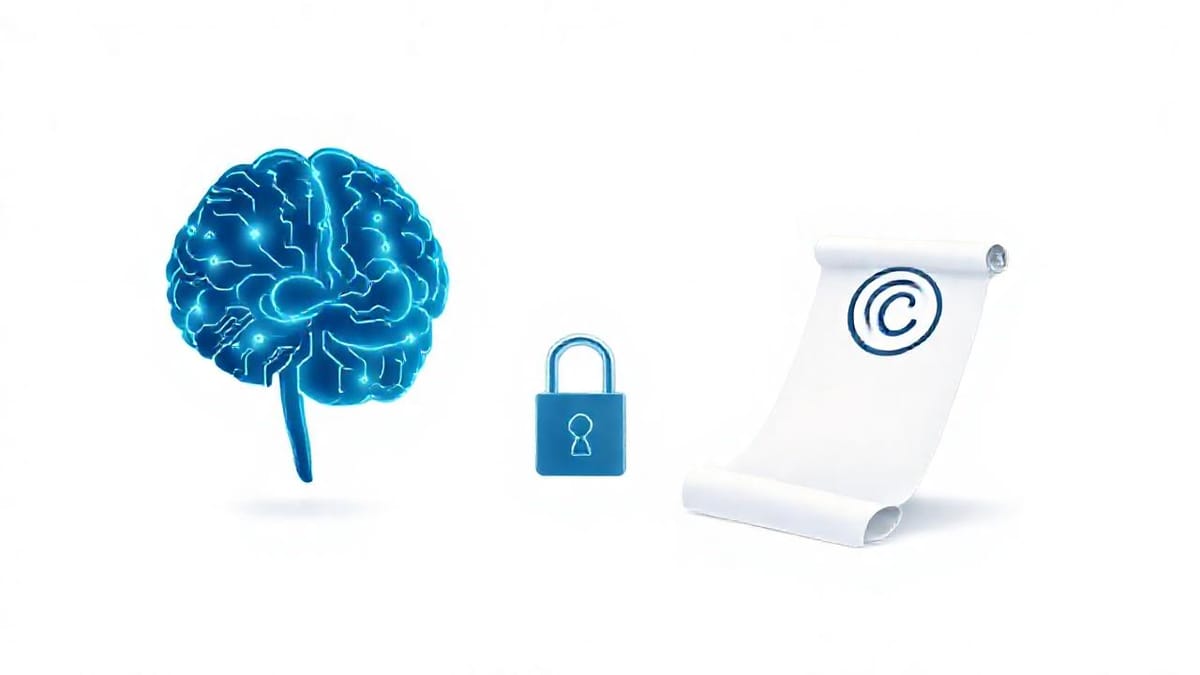
AI의 지식 도둑인가, 혁신의 촉매인가? OpenAI 저작권 소송의 두 얼굴
Knowledge Thief or Innovation Catalyst? The Dual Faces of the OpenAI Copyright Lawsuit
📌 오늘의 뉴스 / Today's News
유명 사전 출판사 브리태니커와 메리엄-웹스터가 OpenAI를 상대로 저작권 침해 소송을 제기했습니다. AI 모델 학습에 자사 콘텐츠가 무단으로 사용되었다는 주장으로, AI 기술 혁신과 창작자 권리 보호 사이의 오랜 논쟁에 불을 지피고 있습니다.
Renowned dictionary publishers Britannica and Merriam-Webster have filed a copyright infringement lawsuit against OpenAI. They claim their content was used without authorization to train AI models, igniting the long-standing debate between AI technological innovation and the protection of creators' rights.
🔗 원문 보기 / Read Original
👍 긍정적 시각 / Positive Perspective
AI 기술의 발전은 방대한 데이터 학습 없이는 불가능합니다. OpenAI와 같은 AI 개발사들은 인터넷에 공개된 데이터를 활용하여 인간의 언어를 이해하고 새로운 정보를 생성하는 능력을 키워왔습니다. 이러한 학습 과정은 단순한 복제가 아니라, 데이터를 변형하여 새로운 가치를 창출하는 '변형적 사용(Transformative Use)'으로 보아야 한다는 주장이 많습니다.
💬 The advancement of AI technology is impossible without extensive data training. AI developers like OpenAI have utilized publicly available internet data to cultivate the ability to understand human language and generate new information. Many argue that this learning process should be seen not merely as replication, but as 'Transformative Use,' creating new value by transforming data.
AI가 생성하는 결과물은 학습된 원본 콘텐츠와는 독립적인 새로운 창작물로 볼 수 있습니다. 예를 들어, 소설가 지망생이 다양한 책을 읽고 자신만의 소설을 쓰는 것과 유사하게, AI는 수많은 텍스트를 통해 지식과 패턴을 습득하여 독창적인 글을 만들어냅니다. 이러한 AI의 역량은 교육, 연구, 의료 등 다양한 분야에서 혁신을 가속화하며 인류 전체에 막대한 이점을 제공할 잠재력을 가지고 있습니다.
💬 The output generated by AI can be viewed as new creative works, independent of the original content it was trained on. Similar to an aspiring novelist reading various books to write their own unique story, AI acquires knowledge and patterns from numerous texts to produce original writing. AI's capabilities have the potential to accelerate innovation in diverse fields like education, research, and medicine, offering immense benefits to humanity as a whole.
만약 AI 학습에 대한 저작권 규제를 너무 엄격하게 적용한다면, 이는 AI 기술 발전의 발목을 잡을 수 있습니다. 모든 학습 데이터에 대한 일일이 허락을 받고 비용을 지불해야 한다면, 스타트업이나 소규모 연구팀은 사실상 AI 개발에 뛰어들기 어려워질 것입니다. 이는 결국 소수의 거대 기업만이 AI 시장을 독점하게 만들고, 혁신의 속도를 늦추는 결과를 초래할 수 있습니다.
💬 If copyright regulations for AI training are applied too strictly, it could stifle the progress of AI technology. If every piece of training data required individual permission and payment, it would become virtually impossible for startups or small research teams to engage in AI development. This could ultimately lead to a monopolization of the AI market by a few large corporations and slow down the pace of innovation.
👎 부정적 시각 / Negative Perspective
창작자들은 AI 학습 데이터로 자신들의 저작물이 무단으로 사용되는 것에 대해 정당한 보상을 받아야 한다고 주장합니다. 브리태니커와 메리엄-웹스터 같은 출판사들은 수년간 축적해 온 방대한 지식 콘텐츠에 막대한 투자와 노력을 기울였지만, AI 기업들은 이를 별다른 대가 없이 사용하여 상업적 이득을 취하고 있다는 비판입니다. 이는 창작자들이 콘텐츠를 생산할 유인을 감소시키고, 장기적으로는 양질의 콘텐츠 감소로 이어질 수 있습니다.
💬 Creators argue that they should receive fair compensation when their copyrighted works are used without authorization as AI training data. Publishers like Britannica and Merriam-Webster have invested immense effort and resources over many years to accumulate vast knowledge content, yet AI companies are criticized for using this data to gain commercial profit without significant recompense. This could diminish the incentive for creators to produce content, potentially leading to a decline in quality content in the long run.
AI가 기존 저작물을 학습하여 유사한 결과물을 생성할 경우, 이는 원본 저작물의 시장 가치를 하락시키고 창작자의 생존을 위협할 수 있습니다. 예를 들어, AI가 특정 작가의 스타일로 글을 써내거나, 특정 화가의 그림과 흡사한 이미지를 만들어낸다면, 원작자들은 자신들의 작품에 대한 수요 감소를 겪을 수밖에 없습니다. 이는 결국 지적 재산권이라는 개념 자체를 무력화시킬 위험이 있습니다.
💬 If AI learns from existing copyrighted works and generates similar outputs, it could decrease the market value of the original works and threaten creators' livelihoods. For instance, if an AI writes in the style of a specific author or creates images strikingly similar to a particular painter's work, the original creators would inevitably face reduced demand for their creations. This ultimately risks undermining the very concept of intellectual property rights.
AI 기술의 발전과 함께 저작권법이 빠르게 변화하는 기술 환경을 따라가지 못하고 있다는 지적도 있습니다. 현재의 저작권법만으로는 AI 시대의 새로운 쟁점들을 효과적으로 해결하기 어렵기 때문에, AI 학습 데이터 활용에 대한 명확한 법적 기준과 공정한 보상 체계를 마련하는 것이 시급합니다. 무단 사용이 허용된다면, 이는 창작 산업 전반에 걸쳐 막대한 손실을 초래할 것입니다.
💬 There is also a criticism that copyright law is failing to keep pace with the rapidly changing technological environment alongside the development of AI. Current copyright laws are insufficient to effectively resolve the new issues of the AI era, making it urgent to establish clear legal standards and fair compensation mechanisms for the use of AI training data. If unauthorized use is permitted, it could lead to immense losses across the entire creative industry.
📝 오늘의 영어 표현 / Today's English Expressions
| 🇰🇷 한국어 | 🇺🇸 English | 📖 예문 |
|---|---|---|
| 불을 지피다 | ignite (a debate/controversy) | The new policy ignited a heated debate among citizens. |
| 변형적 사용 | Transformative Use | Fair use often involves considering whether the new work constitutes transformative use. |
| 발목을 잡다 | stifle (progress/development) | Excessive regulations can stifle innovation in emerging industries. |
| 막대한 이점 | immense benefits | Technological advancements bring immense benefits to society. |
| 무력화시키다 | undermine (a concept/right) | Such actions could undermine the very foundation of intellectual property rights. |
🎯 한 줄 정리 / Bottom Line
AI 혁신을 위한 데이터 자유 이용 vs 창작자의 권리 보호, 미래 사회의 지식과 창작의 가치를 재정의할 중대한 기로에 섰습니다.
We stand at a critical juncture to redefine the value of knowledge and creation in future society, balancing the free use of data for AI innovation against the protection of creators' rights.